
By Darian Macey, April 3 2026
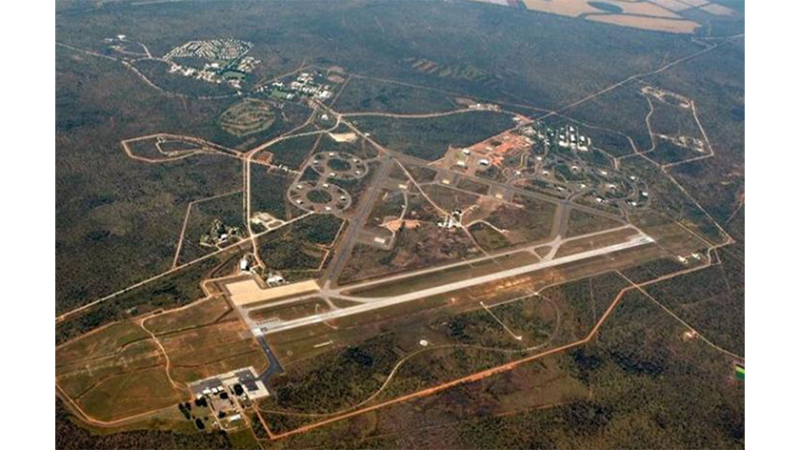
Yesterday’s AusTender notice for EST10003 provides a clearer picture of how Defence intends to deliver the RAAF Base Tindal Renewable Energy Microgrid.
In the November 2025 market sounding, Defence indicated it was still reviewing procurement methodologies, with a Design Services Contract (DSC) followed by a Document and Construct approach (via HC-1 or MWC) under consideration.
The April 2026 notice now points to that pathway being adopted. In practical terms, Defence has moved from testing options to committing to a two-stage model:
- Design Services Consultant first
- Followed by construction procurement under a D&C model
This is a standard Defence delivery structure, but the decision to formalise it here is worth noting.

Project intent
The market sounding material makes it clear that the project is intended to improve energy security at RAAF Base Tindal while also reducing emissions and electricity costs.
The proposed system includes:
- solar photovoltaic generation
- battery energy storage
- inverter and control systems
- integration with existing emergency generation
A key feature is the ability to operate in island mode, maintaining supply during external grid disruptions.
This places the project within Defence’s broader focus on resilience and energy security across key bases.

What the procurement sequence suggests
The use of a DSC-first approach indicates Defence is seeking greater definition before moving to construction.
This is consistent with projects where:
- multiple system interfaces are involved
- performance requirements are complex
- integration risks are material
Rather than relying on a contractor-led solution, Defence is opting to develop a more complete design before going to market for delivery.
For industry, this means the design phase will play a central role in shaping the eventual solution.
Scope considerations
The scope outlined in the market sounding is relatively broad and goes beyond generation infrastructure.
It includes:
- detailed design of PV, battery and control systems
- integration with existing electrical and communications infrastructure
- connection agreements with the local network provider
- civil works and installation requirements
- commissioning and performance testing, including islanding
- a two-year operational period post commissioning
The inclusion of commissioning, testing and early operations highlights the importance Defence is placing on system performance and reliability.

(Photo: West River Electric Association)
Comparable Defence projects
Recent Defence energy projects provide some context for EST10003.
Solar and battery systems at RAAF Darwin and Robertson Barracks have been delivered as behind-the-meter solutions supplying a portion of base demand. These projects also demonstrate Defence’s willingness to consider alternative delivery and commercial models where appropriate.
The Garden Island microgrid at HMAS Stirling highlights another aspect — the complexity of integrating generation, storage and control systems within an operational base environment.
Across these examples, the main challenges have typically related to integration, approvals and system performance rather than the core technology itself.
Implications for industry
The confirmed procurement pathway has a few practical implications.
First, there is a clear separation between design and delivery. Design teams will have the opportunity to define system architecture, interfaces and performance requirements ahead of construction.
Second, the project will likely require a combination of capabilities, including:
- power systems engineering
- battery and control systems expertise
- experience integrating with existing infrastructure
- understanding of Defence estate requirements
Third, commissioning and validation will be a significant component of the overall scope, given the operational context.
Delivery model considerations
While the overall approach (DSC followed by D&C) is now clearer, there may still be flexibility in how the construction phase is structured.
The market sounding referenced both HC-1 and MWC contract forms.
In addition, Defence has previously used alternative commercial arrangements for energy projects, including private financing and operational models. Defence’s changing attitude towards the use of alternative financing arrangements was highlighted at Collab X 2026. It remains to be seen whether any of these elements influence the downstream delivery of EST10003.

Author: Darian Macey
Darian is a former Engineering Officer with the RAE with tertiary qualifications in Engineering and Project Management. He is a leading practitioner within Australia's NSI sector with previous employment in Government, project management and building contractor organisations.


